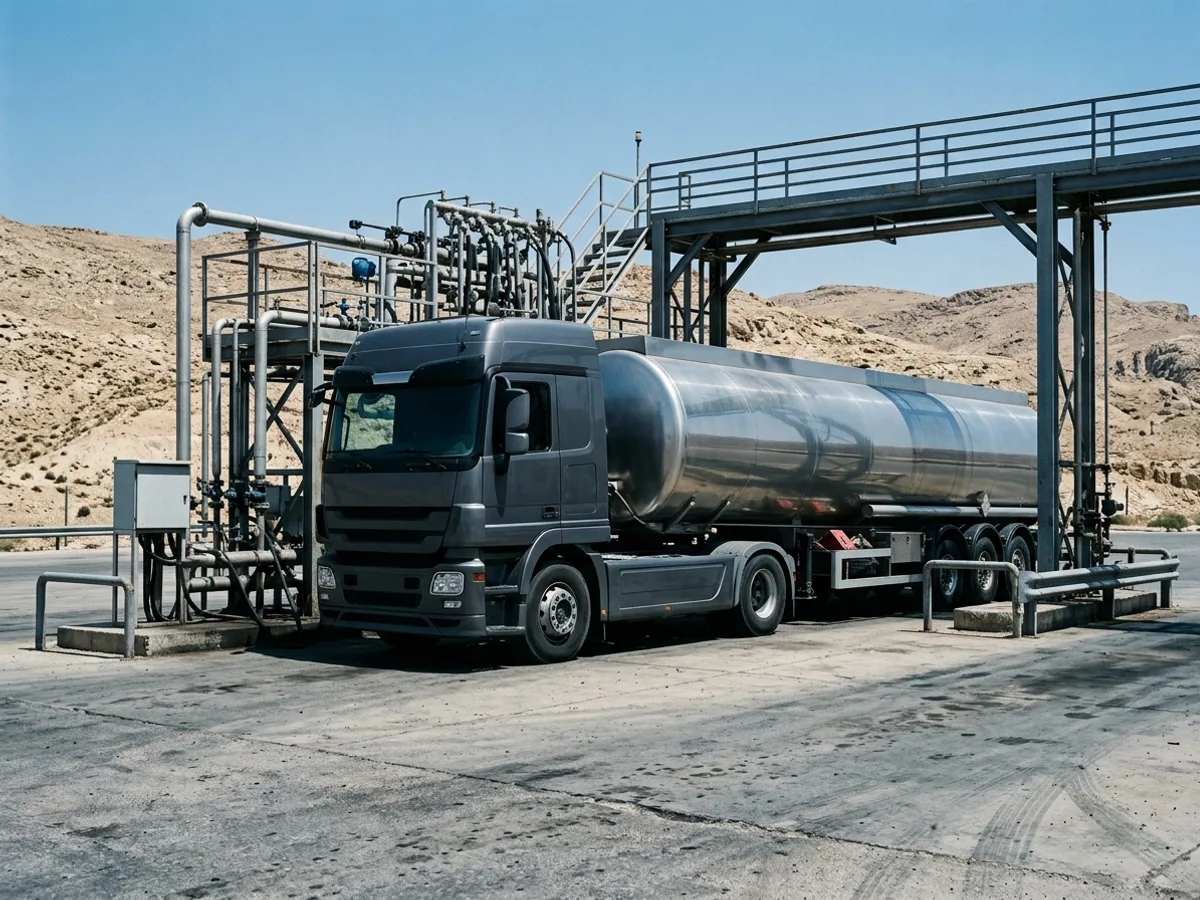
Fuel & Energy
Tanker movements, planned around the permit and the site
Fuel and petroleum products are not general cargo. The loading terminal, the paperwork and the receiving site all set the schedule — so we plan the trip around them instead of around the truck.
How a fuel movement runs
From terminal to receiving site
- 01
Consignment reviewed first
Product, quantity, loading point and destination are confirmed on paper before anything is scheduled — including who signs for it at each end.
- 02
Documents and permits arranged
Movement documents and the permits that apply to the consignment are put in place ahead of loading, not chased afterwards.
- 03
Loading slot booked
Loading is scheduled with the terminal, and discharge with the receiving site, so the tanker is not queuing at either end.
- 04
Driver briefed per load
Route, handover procedure and the receiving site rules are gone through with the driver for that specific consignment.
- 05
Quantities recorded at both ends
Loaded and delivered quantities are documented, and the signed paperwork comes back to you.
Public sector
Contract and tender work
A share of this work is for public bodies and their suppliers, where the documentation carries as much weight as the delivery. We quote in the format a tender needs, deliver against a schedule rather than trip by trip, and return every delivery note, weighbridge ticket and signed receipt.
- Quotations formatted for tender submission
- Scheduled deliveries under a running contract
- Full return of delivery documentation
- A named coordinator for the contract term
One thing to be clear about
Which products we can carry, and where, depends on the permits in force for that consignment. We confirm what is possible for your specific movement before quoting it — we do not take a booking we are not sure we can run.
Discuss a fuel movementHave a shipment to move?
Send us the route, the commodity and the weight or volume — you get a written rate and a realistic transit time back.